Here alcohol-free is the whole point rather than a feature. An attar is perfume oil and nothing else — no spirit at any stage — which is why itr has been worn at prayer in this country for centuries. A dab on the wrists and the collar, and it stays through all five.
Made for namaz and for any day you want to smell clean, not scented
Why itr and not a spray
This is the one place where alcohol-free is the whole point rather than a feature. An attar is perfume oil and nothing else — no spirit is used at any stage of the deg-bhapka distillation, and nothing is added afterwards. That is why itr, and not perfume, is what has been carried to prayer in this country for as long as there has been prayer in it.
Where it is applied
Wrists, the backs of the hands, the collar, and the cap or the topi — cloth holds an oil far longer than skin does, so a dab on the kurta outlasts the one on the arm by hours. Press, do not rub. A single dab is the dose; an oil at full strength does not need help, and in a row of people shoulder to shoulder, less is genuinely more.
Which ones suit it
The quiet end of the shelf. Sandalwood is the oldest answer and still the safest — warm, clean, close to the skin, and it does not turn sharp over hours. Rose and white musk do the same work in a lighter register. Keep the loud orientals for a wedding; what is wanted here is something that is on you and not in the room.
Alcohol-free perfume oil · Distilled in Kannauj · Cash on delivery across India · 7-day returns
Fourteen names tell you nothing. Where they sit tells you a lot —
tap any one to see what it is.
LightDeepFloralEarthy & woody
Try Before You Buy
Smell it first. Then decide.
Order a 1ml tester of any of these. If it's yours, come back for the full bottle.
Each one arrives in a plain glass vial — it holds 2ml, so 1ml fills it about
halfway. The attar, not the packaging.
From Our Distillery
Real attar, really made
Photos and videos from the workshop in Kannauj — see how every drop is distilled.
Watch
Inside Venus
Collections
Find Your Fragrance Family
Three worlds of scent, each distilled with centuries of Kannauj wisdom.
Fragrance 101
New to attar? Start here.
Three things worth knowing before you buy your first bottle. No jargon.
Attar
Pure oil. No alcohol.
What it is — flowers, wood or spice distilled straight into an oil. Nothing is added to make it spray.
On your skin — stays close to you. People notice it when they are near you, not across the room.
How much — one dab. It is concentrated, so more is not better.
Sensitive skin — no alcohol, so no sting and no drying.
vs
Perfume / EDP
Oil mixed into alcohol.
What it is — the same kind of fragrance oil, thinned with alcohol so it can be sprayed.
On your skin — the alcohol lifts the scent into the air, so it carries further and leaves a trail.
How much — a few sprays, and it is loudest in the first hour.
Sensitive skin — alcohol can dry or sting some skin.
Neither is better. A trail across a room is a perfume's job. Sitting close to the skin all day is an attar's.
🪵
And what exactly is oud?
Oud is not a flower. It is the dark, resinous heartwood that forms inside an agarwood tree after it is infected — the tree makes the resin to protect itself, over years. That is why real oud is rare and expensive, and why most fragrances sold as "oud" are a recreated blend that smells like it rather than the wood itself. Both can smell wonderful. They are just not the same thing, and the price usually tells you which one you are holding.
Why your scent smells different after an hour
It has not faded. A fragrance is built in three layers, and they arrive in turn.
Top notes — the first hello.The lightest parts, and the first thing you smell when you open the bottle. Fresh, bright, and gone quickest. Never judge a bottle by this alone — you are smelling the introduction, not the attar.
Heart notes — the real character.Once the opening settles, the middle arrives: usually the flower or spice the attar is actually built around. This is the part you will wear for most of the day, and the part to judge it on.
Base notes — what stays behind.Woods, resins and musks. Heavy, slow, and the last to leave — still faintly on your skin at night, and on a scarf the next morning. Two attars sharing a base smell like relatives.
Every attar on this shop lists all three. Tap any note on a product page to find the other attars that share it.
🖐️Dab, never rub
Rubbing your wrists together crushes the top notes before they open.
🌡️Warm spots work best
Wrists, neck, behind the ears. Body heat lifts the scent through the day.
☀️Keep it out of the sun
Heat and light spoil natural oils. A cool, dark shelf is all it needs.
👃Try one at a time
Your nose tires after two or three. Smell coffee beans or your own sleeve to reset.
New · 60 Seconds
Not sure where to start?
Answer 3 quick questions and we'll match you to your signature attar.
Bestsellers
Most Loved Attars
Our customers keep coming back for these.
0%
Alcohol · Pure Attar Oil
—
Attars On The Shelf
—
Where Prices Start
7‑day
Returns · COD Across India
Wear two at once
Layering
A spray fills a room, so a second one just fights it. An attar sits on the skin — which means two can be worn together, and the pair becomes something neither is alone. Three that work, from what is on the shelf right now.
Why Venus Perfumery
Purity is our philosophy
✨
Effortless Elegance
Apply in seconds, wear all day. One dab — no spritz, no waste, no spill. Attar the way it was meant to be worn.
⏳
Long-Lasting
Crafted with rich natural oils that bind to your skin and evolve beautifully throughout the day — morning to midnight.
🌿
Pure & Skin-Friendly
Alcohol-free formulations using the ancient deg-bhapka method. No synthetics. Safe for all skin types, every single day.
🐰
Cruelty-Free
Not tested on animals. No animal ingredients. Ethical farm-to-bottle sourcing — always and without compromise.
Reviews
Words from Our Customers
“
No one has written here yet.
Every review on this page comes from an order that actually arrived —
so this space stays empty until one of you fills it.
Before you buy
Attar, in plain words
What it is, how it is made in Kannauj, and how to wear it — without the sales talk.
What an attar actually is
An attar — ittar, itr, ittra, all the same word — is
perfume in its oldest form: the oil itself, pressed out of flowers, wood, resin or
earth, and nothing added to it. A modern perfume is mostly alcohol with a little
fragrance dissolved in it. An attar has no spirit in it at all, which is why it does
not sting, does not evaporate off the skin in an hour, and does not fill a room
before you have entered it.
That is also why it is sold in 3ml and 6ml bottles rather than 100ml sprays. One
dab is a day.
The words pure attar and attar perfume get used loosely, so here is the
plain test: a pure attar is oil and nothing else. No spirit, no water, no carrier
bulking it out, no colour. If a bottle stings when it lands or smells sharp for the
first ten seconds, there is alcohol in it.
Being alcohol-free is not only a purity claim. It is what makes an attar wearable at
namaz and at puja, and gentler on skin that reacts to sprays.
Kannauj has been distilling attar for some four hundred years, and it still does it
the slow way: deg-bhapka. Flowers go into a copper still over a wood fire, the
vapour travels through a bamboo pipe into a receiver sitting in water, and it lands in
a base of sandalwood oil. No pumps, no solvent, no shortcut. A single batch can take a
day and a half, and the man watching the fire judges it by hand.
It is also the only place that bottles the smell of the first rain on dry earth
— mitti attar, distilled from baked clay.
Attar is dabbed, not sprayed. Touch the bottle to the wrist, behind the ears, at the
base of the throat — the warm spots — and leave it alone. Do not rub your
wrists together; that crushes the top of the scent.
Two attars can be worn at once, which a spray cannot manage. A floral over an earthy
base is the usual place to start.
If you have never worn one, start with what you already like the smell of. Rose,
mogra and chameli are the florals — bright, immediately recognisable, easy to
wear daily. Sandal, oud, musk and mitti are the deeper side: quieter for the first
hour, and still there at bedtime.
Every attar here is sold in 3ml first, so the cost of finding out is small.
The worry with buying attar online is simple: you cannot smell it first. So the shelf
here is built to make that less of a gamble — 1ml testers on most attars, the
smallest bottle at ₹399, cash on delivery across India, and a seven-day return
window if what arrives is not what you expected.
Every bottle is filled in Kannauj and sent from our own counter. Nothing here is
bought in and relabelled.
The same oils sold here by the millilitre, in sealed aluminium bottles — for shops,
gifting companies and anyone filling their own vials. Alcohol-free, GST invoice,
dispatched from Lucknow across India.
Most bought
Bestselling attars
Ordered by what people actually buy — counted from real orders, not chosen by us.
All Products
Our Attar Collection
Slow-distilled · Alcohol-free · For every soul
Gift Sets
Build a Gift Set
Choose any two attars. We box them together with a handwritten note.
+
+
Add a gift note optional
0/300
Pick your first attar
Checkout
Complete Your Order
🛍
Bag
1
Contact
2
Address
3
Payment
🛍 Order Summary
Step 1 of 4
Review Your Bag
Step 2 of 4
Contact Information
✓
✓
✓
✓
✓
📞Your number goes to the delivery partner only — they call if they cannot find your door. No marketing calls.
👤A second number is optional — someone else at home, or your own other number. We only use it if the first one does not answer on delivery day.
✉️Email is optional — you can leave it blank and still order. Give it and we email your order confirmation, the tracking link, and your ₹101 off the next order. Without it we cannot send those, and the ₹101 cannot be held for you.
📦Either way you can always see your order with your order number and this phone number.
🔒We never sell or share your details.
Step 3 of 4
Delivery Address
Not sure of your PIN code or area name? Let your phone fill it in.
✓
✓
✓
✓
🚚 Free shipping · Delivery in 3–5 business days
Step 4 of 4
Payment Method
📱
UPI / Google Pay / PhonePe
Instant payment via any UPI app
💳
Credit / Debit Card
Visa, Mastercard, RuPay accepted
🏠
Cash on Delivery
Pay when your order arrives
📱
Pay by UPI
Continue and your UPI app will open with the amount already filled in.
🔒
Card details stay with the bank
You will enter your card on Razorpay's secure page. Venus never sees or stores your card number.
🏠
Pay on Delivery
Keep exact change ready. Our delivery agent will collect payment.
🔒Your card is entered on Razorpay's page. Venus never sees or stores it.
✅Every payment is verified on our server before your order is confirmed.
🏦UPI, cards, net banking and wallets — all through Razorpay.
↩️Didn't get what you ordered? Free returns within 7 days.
Contact
—
Delivering to
—
Secure · Encrypted · Free returns in 7 days
Order SummaryEdit bag
🔒 SSL encrypted checkout
↩️ Free returns within 7 days
🌿 100% authentic, alcohol-free attars
🚚 Express delivery available
🌹
Order Confirmed!
Thank you! Your Venus Perfumery order is placed.
Your order number
VA-2026-1001Tap to copy
Estimated delivery: 3–5 days
✅ Order placed — we've received it
⚗️ Being packed with care by our team
🚚 Shipped to your address
🎉 Delivered to you!
Where this order lives
1The Orders tab, any time — your last few orders are remembered on this device, so nothing has to be typed.
2Your email — the confirmation is already on its way, and we write again when it ships.
3Track Order — your order number above, plus the email or phone you ordered with.
Order Tracking
Track Your Order
Enter your order ID and email to see live status.
Help
Cancellation, Return & Refund Policy
Changed your mind, or ordered the wrong thing? Here's exactly what happens, at every stage of your order — no surprises, no hidden deductions.
Loading…
Legal
Privacy Policy
What we collect, why, and how it's protected.
Information We Collect
When you place an order or contact us, we collect your name, email address, phone number, and delivery address. We also keep a record of your order history so we can process cancellations, returns, and support requests.
How We Use Your Information
Your information is used to process and deliver your order, send order confirmations and status updates, respond to support requests, and — only if you've applied one — track coupon usage. We do not use your data for anything beyond running your order and improving your experience with us.
Payment Information
Online payments are processed through secure third-party payment gateways. Venus Perfumery does not receive, see, or store your full card, UPI, or bank details on its own servers — that information is handled entirely by the payment gateway.
Cookies & Local Storage
Your shopping cart and wishlist are stored in your browser's local storage so they're there when you come back — not on our servers, and not shared with anyone. Clearing your browser data will clear your cart and wishlist.
Sharing Your Information
We share only what's necessary to fulfil your order — your name, address, and phone number with our delivery/courier partner, for example. We do not sell, rent, or trade your personal information to any third party for marketing purposes.
Data Security
We take reasonable technical and organisational measures to protect your information against unauthorised access, alteration, or loss.
Your Rights
You can request a copy of the information we hold about you, ask us to correct it, or ask us to delete it (subject to what we're legally required to retain for tax and order records) by reaching out to us — see contact details below.
Changes to This Policy
We may update this policy from time to time as our business evolves. The latest version will always be available on this page.
Contact Us
Loading contact details…
Legal
Terms & Conditions
The basics of using this site and ordering from us.
Acceptance of Terms
By browsing this website or placing an order, you agree to these Terms & Conditions. If you don't agree with any part of them, please don't use the site to place an order.
Products & Pricing
Prices shown are in Indian Rupees (₹) and are inclusive of GST — the price you see is the price you pay, and the tax portion is shown separately on your invoice. Prices, product availability, and offers are subject to change without notice.
Orders & Payment
We currently accept Cash on Delivery and online payment methods. Placing an order is an offer to buy — we confirm it once payment (where applicable) is verified. We reserve the right to cancel an order in cases of pricing errors, stock unavailability, or suspected fraud, with a full refund where payment was already made.
Shipping & Delivery
Estimated delivery timelines are shown at checkout and on your order confirmation. Actual delivery may vary due to courier delays, weather, or circumstances outside our control.
All content on this site — text, images, logos, and design — belongs to Venus Perfumery and may not be copied or reused without permission.
Limitation of Liability
Venus Perfumery is not liable for indirect or consequential loss arising from the use of this site or its products, beyond the value of the order itself.
Governing Law
These terms are governed by the laws of India, and any disputes are subject to the exclusive jurisdiction of Indian courts.
Changes to These Terms
We may update these terms as our business evolves. Continued use of the site after changes means you accept the updated terms.
Contact Us
Loading contact details…
Legal
Business Information
Who you're buying from.
Loading…
Our Story
The Best of Kannauj, Delivered to You
Venus Perfumery isn't a single factory — it's a promise. We've built direct contracts with Kannauj's most respected perfume houses, the master distillers who've practiced the deg-bhapka art for generations. We taste-test every batch, select only what meets our standard, and ship it straight from source to your door. No retail shelves. No unnamed middlemen. Just verified quality, direct.
Our Sourcing
Direct Partnerships, Not Guesswork
Kannauj — the perfume capital of the world — is home to hundreds of family-run perfumeries, many practicing techniques passed down since 1818. Rather than claim to be a single distillery, Venus Perfumery built something more honest: direct contracts with a select group of Kannauj's most established producers, chosen for their consistency, purity, and mastery of the deg-bhapka method.
Every batch that reaches you has passed through our own selection process — sensory testing by our in-house perfumers and a strict purity check for synthetic contamination. If it doesn't meet our standard, it doesn't carry the Venus Attar name. What you receive is the exact batch we chose, from the producer we trust, at the price of buying direct.
1
Sourced at the Source
We contract directly with established Kannauj perfumeries — no traders, no anonymous wholesalers in between
2
Our Quality Selection
Every batch is tested in-house for purity, strength & consistency before it earns the Venus Attar name
3
No Retail Markup
Buying direct from producers — not distributors — means the price you pay reflects the source, not a retail chain
4
Straight to Your Door
Hand-packed and shipped directly from Kannauj to your home — nothing sits in a warehouse or shop shelf
The Process
How Attar & Rooh Are Born
Every bottle starts the same way — flowers, fire, and time. But two different treasures emerge from the still: pure Rooh, and blended Attar. Here's the centuries-old deg-bhapka method our partner perfumers still use today.
1 · Deg (the still)
Fresh flowers, picked at dawn, are loaded with water into a copper deg and sealed shut over a slow wood fire.
2 · Chonga (the pipe)
As the water gently heats, fragrant steam rises and travels through a bamboo pipe into the receiver.
3 · Bhapka (the receiver)
Sitting in a cold-water trough, the vapor cools and condenses back into liquid — drop by drop.
💧
Rooh — The Pure Extract
For Rooh, the bhapka collects the condensed floral vapor on its own, with nothing else added. The oil and water separate naturally, and the fragrant oil layer is skimmed off pure. The result is a 100% concentrated essential oil — exactly as nature made it. A few drops last for months.
🪵
Attar — The Wearable Perfume
For Attar, the bhapka is pre-loaded with pure sandalwood oil. As the floral vapor condenses, it's absorbed directly into the sandalwood base — capturing the fragrance into a naturally blended, alcohol-free perfume that's gentle enough to wear every day.
Both are then rested for weeks in aged sandalwood handi vessels, letting the fragrance mellow and deepen before it's ever bottled — no shortcuts, no synthetics, the same way it's been done for over 200 years.
🌿
100% Alcohol-Free
Every attar we select is a pure deg-bhapka oil blend — no synthetic carriers, no alcohol, verified before it ever reaches you.
🐰
Cruelty-Free & Vegan
We only partner with producers who source ethically — no animal testing, no animal-derived ingredients, ever.
🏺
Direct from Kannauj
We contract directly with Kannauj's established perfume houses — no resellers, no markup. What you pay reflects the source, not a retail chain.
✦
Backed by Real Heritage
Our partner perfumers carry forward deg-bhapka techniques passed down since 1818 — we simply make sure only their best work reaches you.
The Long Story
A History of Attar
Where it began, how it reached India, why one small town in Uttar Pradesh
became the perfume capital of the world — and what is genuinely known
versus what is simply repeated.
What attar actually is — and how it differs from perfume
An attar (also spelled ittar, itr or otto)
is a concentrated aromatic oil, distilled from flowers, wood, spice or
earth, and collected into a base oil — traditionally
sandalwood. The word comes to us through Persian ʿatr, meaning
scent or fragrance.
That base oil is the whole difference. A modern spray perfume is
aromatic material dissolved in ethyl alcohol, which
flashes off the skin and throws the scent outward in a cloud. An attar
has no alcohol in it at all. It sits on the skin, warms with body heat,
and releases slowly — which is why a dab is enough where a spray needs
several, and why an attar reads as closer, quieter and longer.
There is a second word worth knowing: rooh. Where an
attar is the aromatic oil collected into a base, a rooh is the
pure distilled essence with no base at all —
rooh gulab is the soul of the rose and nothing else. Roohs are
far more expensive, because it takes an enormous weight of petals to
fill a small bottle.
The first perfumers we can name
Perfume is older than any record of it — resin was burned for the gods
long before anyone wrote down how. But the first perfumer whose
name survives is a woman: Tapputi-Belatekallim,
recorded on a cuneiform tablet from Mesopotamia dated to roughly
1200 BCE. The tablet describes her method — flowers,
oil and calamus, with cyperus, myrrh and balsam, mixed with water or
other solvents, then distilled and filtered repeatedly.
She is often called the world's first chemist. It is worth being precise:
she is the earliest perfumer whose name was preserved, not the
first who ever worked. She oversaw a collective of women perfumers
attached to a royal palace — which tells you the craft was already
organised and prestigious long before her.
The Indus Valley claim — and what the evidence really says
You will read almost everywhere that Indian perfumery is
5,000 years old, and that distillation was invented in
the Indus Valley. That claim rests very largely on a single find.
In 1975 the Italian researcher Dr Paolo Rovesti
examined a terracotta apparatus held in a museum at
Taxila, displayed alongside terracotta perfume
containers, and identified it as a primitive still — with a date given
as around 3000 BCE. If that reading is right, it moves distillation
some four thousand years earlier than the conventional account.
Said honestly: this is one
identification of one object, and "it looked like a primitive still"
is doing a great deal of work in a claim that gets repeated as settled
fact. Taxila also sits well outside the Indus Valley Civilisation's
main period, in what is now Pakistan. The vessels and the
perfume containers are real and remarkable; whether that particular
object is a distillation still, and whether it is that old, is not
closed. We think a shop that sells attar should say so rather than
inherit a number because it sounds impressive.
What is not in doubt is that South Asia has an unusually deep and
continuous relationship with aromatics — as trade goods, as medicine,
as ritual — and that the practical craft here is very old indeed.
Ancient India's written record
For text rather than artefact, the ground is firmer. The
Bṛhat Saṃhitā, the sixth-century encyclopaedia of the
astronomer-polymath Varāhamihira, contains what is
generally cited as the earliest surviving Indian account of
perfume-making — including combinations of aromatic ingredients set out
almost as a system. Aromatics also run through Ayurvedic practice and
appear in the Arthashastra among goods worth taxing and
regulating, which is its own kind of evidence: you do not write customs
rules for something nobody trades.
Ibn Sina, and the rose that changed everything
In the tenth century the Persian polymath Ibn Sina —
Avicenna to Europe — refined steam distillation: passing
steam through plant material to carry its volatile oils away, then
condensing them. One of the first plants he worked with was the
Damask rose, and it yielded two things at once: rose
water, and a separate, precious film of true rose oil.
This is the method, essentially unchanged in principle, that still
produces most of the world's essential oils. Rose water became one of
the great traded commodities of its age, moving from Persia into India,
China and beyond — and the technique travelled with it.
The Mughal century: rooh gulab, and who really discovered it
The most repeated story in Indian perfumery is that
Nur Jahan, empress and wife of the emperor Jahangir,
discovered rose attar when she noticed a film of fragrant oil floating
on rose-petal water warmed by the sun in a garden canal.
It is a lovely story, and it is probably credited to the wrong woman.
Jahangir's own memoir, the Tuzuk-i-Jahangiri, describes
the perfume — itr-i-Jahangiri — and attributes the discovery
not to his wife but to her mother, Asmat Begum. The
version that made Nur Jahan the discoverer was popularised later in
Europe, largely through the Italian traveller
Niccolao Manucci.
What is agreed is the emperor's reaction. Jahangir wrote of it in
extraordinary terms — the finest fragrance he had encountered, better
than any rose preparation his court had used. He called it
rooh gulab: the soul of the rose. Attar moved from craft to
court, and imperial patronage did what patronage does — it funded the
distillers, and it set the standard.
How Kannauj became the perfume capital
Kannauj, on the Ganga in Uttar Pradesh, is an old
imperial city long before it is a perfume one — a seat of power in
northern India centuries before the Mughals. What made it a perfumery
town is a combination that is hard to assemble anywhere else: fertile
alluvial land that grows rose, jasmine, vetiver and screwpine; a river
for water and transport; and, once the Mughal court's appetite was
established, generations of families who did nothing but distil.
The town is still called Ittar Nagri — the city of attar — and
its perfumeries are largely family firms working methods handed down
within the household. Venus works with a selected group of them; the
houses we buy from trace their practice back generations, and some of
the workshops in the town have been running the same stills for well
over a century.
Deg and bhapka: the method that refused to modernise
Kannauj's distillation is called deg-bhapka, and it is
hydro-distillation done by hand and by judgement.
The deg. Flowers and water go into a wide copper
vessel, sealed with clay, over a fire fed by wood and dung cakes.
The chonga. Fragrant steam leaves the deg through a
bamboo pipe.
The bhapka. The pipe runs into a round receiver
partly filled with sandalwood oil, sitting in a
trough of water. The steam cools, condenses, and the aromatic
molecules are taken up by the oil.
The kuppi. The result is decanted into leather
bottles and left in the sun, so residual water evaporates and the
scent matures.
There is no thermometer and no gauge in that sequence. The distiller
judges the fire by sound and smell, and cools the bhapka by hand with
wet cloth. It is slow — a single batch can take a day or more — and
that slowness is not romance, it is the reason the result differs from
an industrially extracted oil.
Mitti attar: bottling the first rain
Kannauj makes one perfume that exists nowhere else in quite this form.
Mitti attar is distilled not from a flower but from
baked clay — discs of local alluvial earth, fired, then
put through the same deg and bhapka as rose or jasmine.
What comes out is petrichor: the smell of the first rain
striking dry ground. That smell is a real phenomenon — a set of
compounds released from parched soil when the water finally arrives —
and Kannauj is the place that worked out how to capture it in oil.
It is the clearest answer to anyone who thinks perfumery is only about
flowers.
Where attar lives in India
Kannauj, Uttar PradeshThe distilling capital. Rose, jasmine, vetiver, screwpine — and mitti. Most Indian attar begins here, including much of what is sold elsewhere under other names.
Lucknow & AwadhThe taste that shaped the demand. Nawabi court culture made attar part of daily manners — for guests, for prayer, for the season — not an occasional luxury.
HyderabadA long-standing centre of attar use and trade under the Nizams, with perfumers who to this day buy their oils from Kannauj.
Mysore, KarnatakaNot a distilling town for florals but the source of the thing that made attar possible: Mysore sandalwood, the classic base oil, prized above every alternative.
Attar is also woven into how the year is kept — heavier
woods, oud and musk through winter; rose, khus and mitti in the heat.
In much of India it is offered to guests, worn to the mosque and the
temple, and given at weddings. It is a social object as much as a
cosmetic one.
What nearly killed it
The craft's greatest threat was not fashion. It was
sandalwood.
Traditional attar depends on sandalwood oil as its base. From the late
1990s, restrictions on the sale of Mysore sandalwood — brought in to
protect a badly over-cut tree — sent the price of that base sharply
upward, and attar prices with it. Kannauj, which once had
26 sandalwood oil units, is now reported to run about
two.
Distillers responded by switching the base, most commonly to
liquid paraffin — a neutral, inexpensive carrier. The
result can smell close on first application, but it is not the same
thing: a paraffin-based attar does not hold and mature the way a
sandalwood-based one does, and it does not keep for years in the same
way. This is the single most useful thing a buyer can understand, and
the reason the base oil is worth asking about before the price.
The craft also has protection now. In 2014,
Kannauj Perfume received a Geographical Indication
tag — the same class of legal recognition that protects Darjeeling tea —
tying the name to the place and its method.
How to tell real attar from imitation
Ask what the base is. Sandalwood, another natural
oil, or paraffin — a seller who cannot answer has not asked either.
There should be no alcohol. If it stings, evaporates
fast, or smells sharp for a second before settling, that is alcohol.
It should change on skin. A natural distillate opens,
turns and softens over an hour. A flat scent that smells identical
after three hours is usually a synthetic compound.
Warmth should wake it. Attar is meant to be dabbed on
pulse points, not sprayed — body heat is part of how it works.
Very cheap "oud" is not oud. Real agarwood is among
the most expensive raw materials on earth. Price is information.
Every attar we sell — what it is, how it is made, and when to wear it
Twelve attars, in three groups. Each one is distilled the same way —
the deg and bhapka described above — but what goes into the pot, and
when it has to be picked, changes everything about the result. The photograph
beside each is the actual plant, wood or ground it is made from.
The florals
Five flowers, and none of them can wait. A picked flower begins losing its scent within the hour, which is why every attar below is distilled on the same day — and often in the same night — that it is gathered.
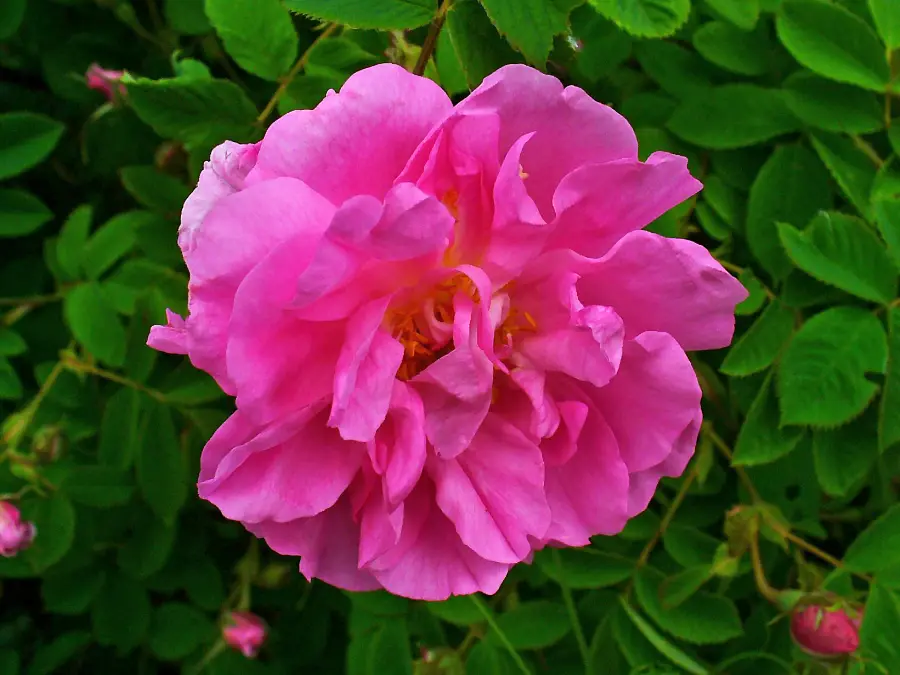
Gulab Attar
Rosa damascena · the damask rose
Kannauj’s rose fields are picked before sunrise, because the oil in a damask petal thins as the sun climbs. The petals go into a copper deg with water the same morning, the lid sealed shut with cotton and clay, and a wood fire lit underneath. The scented steam travels down a bamboo pipe into a bhapka resting in a cooling pool — and that receiver already holds sandalwood oil, which catches the rose and keeps it. The same oil goes back for ten to fifteen rounds over several days, growing heavier each time, until it is strong enough to be called attar.
From
Damask rose petals, Kannauj
Picked
Before dawn, distilled the same morning
Caught in
Sandalwood oil
Rose that smells like the flower rather than like rose soap — there is no alcohol in it to sharpen the opening and burn off. It sits close, warms with your skin, and is still there at the end of a working day from one dab behind each ear.
Wear itWeddings, first meetings, and any day you would rather be remembered than noticed.
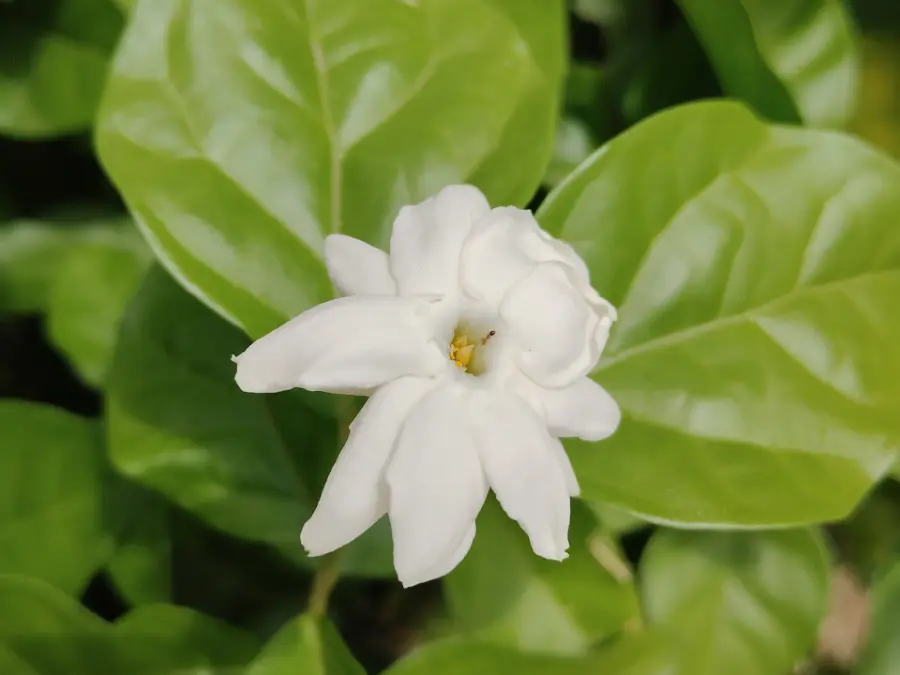
Sambac keeps itself shut all day and opens after dark. So mogra is picked at night, by hand, as closed buds — and it goes into the deg within the hour, because a jasmine bud left until morning has already spent most of what it had. The distillers work through the night for the few weeks the plant is in flower.
From
Jasmine sambac buds
Picked
After sunset, distilled the same night
Caught in
Sandalwood oil
The heaviest, creamiest jasmine there is — rounder and far less sharp than any jasmine spray, because no alcohol is lifting it off the skin. A little is genuinely enough.
Wear itEvenings, dinners, and the cooler months. It is too much for a hot afternoon, and it is meant to be.
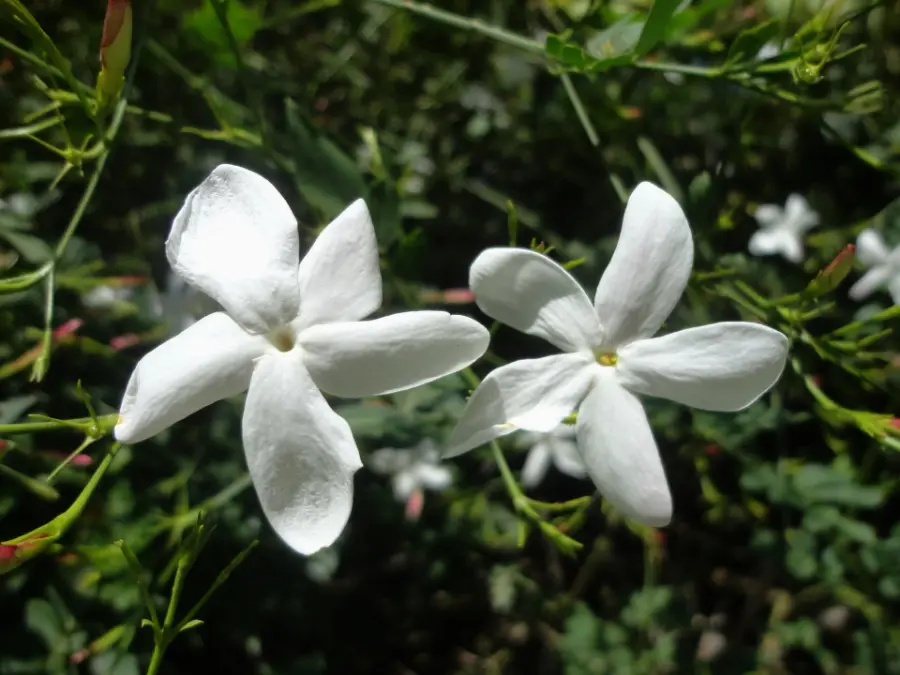
The same family as mogra and a completely different flower: taller, thinner-petalled, and it blooms right through the monsoon. It is picked in the early morning rather than at night, and distilled the same way — into sandalwood, over repeated rounds.
From
Jasmine grandiflorum flowers
Picked
Early morning, through the monsoon
Caught in
Sandalwood oil
The jasmine you can wear in daylight. Lighter and greener than mogra, with a clean edge that stops it turning heavy in the heat — which makes it the easier of the two for an Indian summer, and for an office.
Wear itDaytime, work, and anyone who finds mogra too much.
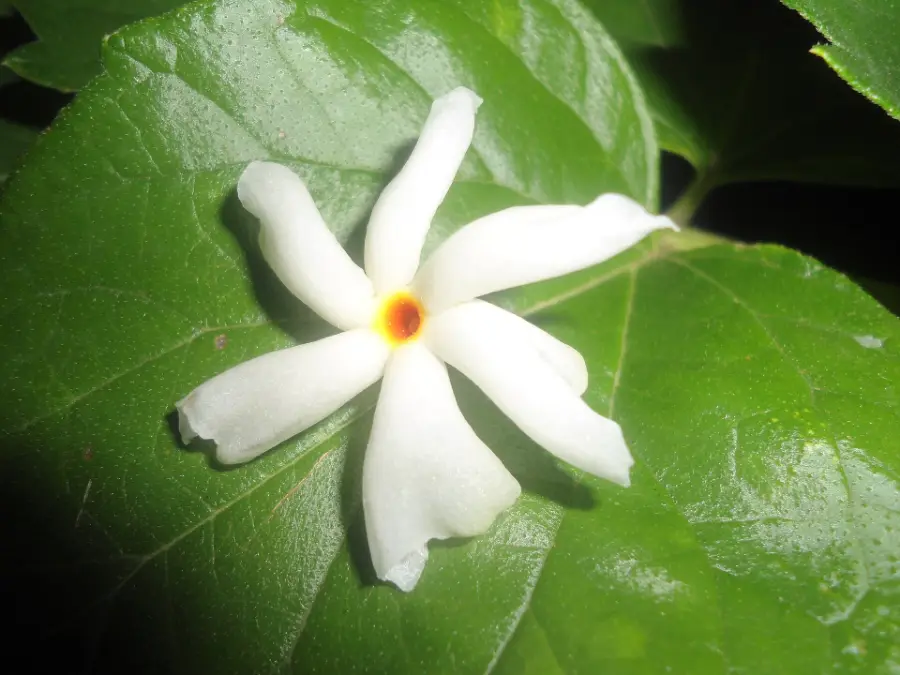
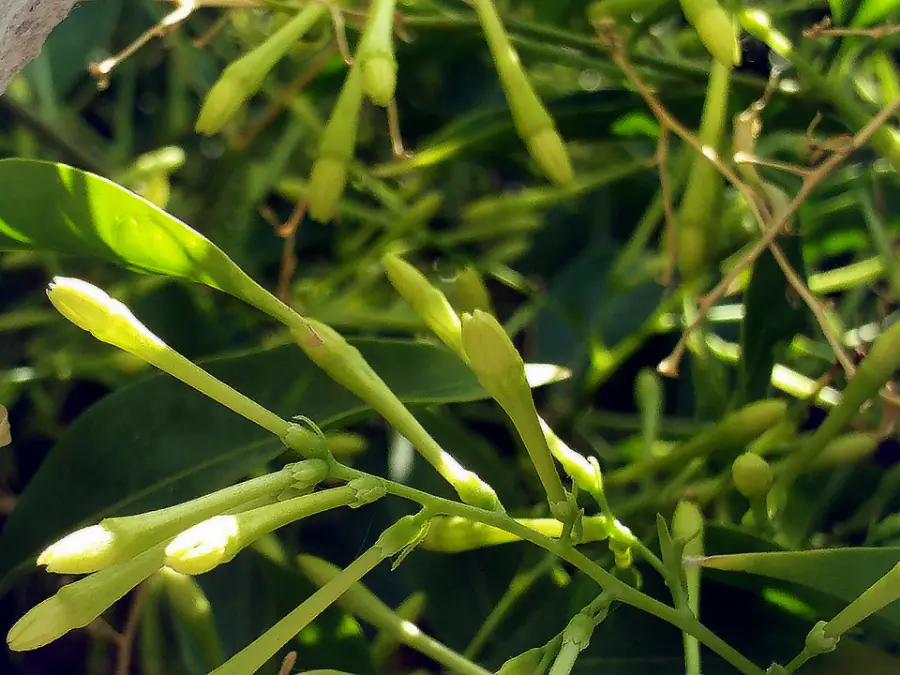
Nyctanthes arbor-tristis · parijat, the night-flowering jasmine
The harsingar tree opens its flowers only at night and drops every one of them before sunrise. Nobody picks harsingar off a branch — it is gathered off the ground at first light, and it has to reach the deg within a few hours of falling. A tree gives a basket, not a sack. That is the whole reason so little of this attar exists in any year, and why it costs what it does.
From
Fallen parijat flowers
Gathered
Off the ground, at first light
Caught in
Sandalwood oil
Cool, powdery and quiet — closer to incense than to a flower. It is the one attar here that people describe as calming rather than pretty, and it is also the temple flower of north India: the only bloom offered to a god after it has touched the ground.
Wear itPrayer, meditation, and evenings you want to end quietly.
Not a jasmine at all, despite the English name. Rat ki rani is nearly scentless in daylight and then floods an entire street after dark, so the harvest happens between about nine at night and midnight, and the deg is lit while the pickers are still out.
From
Cestrum nocturnum blossom
Picked
Between 9pm and midnight
Caught in
Sandalwood oil
It behaves on skin the way the flower behaves in a garden — almost nothing when you put it on, then unmistakable an hour later. If you dislike fragrance that announces you at the door, this is the one.
Wear itNights out, and long evenings where you would rather be discovered than introduced.
These take longer to make than the flowers and keep longer on the skin. Two of them are not flowers at all.
Mitti Attar
Baked earth · the smell of first rain
The only perfume in the world distilled from the ground itself. Discs of clay from the Ganga plain are fired in a kiln until they are bone dry, then loaded into the deg exactly as flowers would be. What comes over is petrichor — the smell of the first rain hitting dry earth — and it is caught, like everything else here, in sandalwood oil. Kannauj is the only place that has ever made this at any scale.
From
Kiln-baked clay, Ganga plain
Made
Year round, between the harvests
Caught in
Sandalwood oil
Nothing else smells like the minute a monsoon breaks. It is also the least perfume-like thing we sell — people who say they do not wear fragrance tend to wear this one.
Wear itAny day. It is unisex in a way none of the florals quite are.
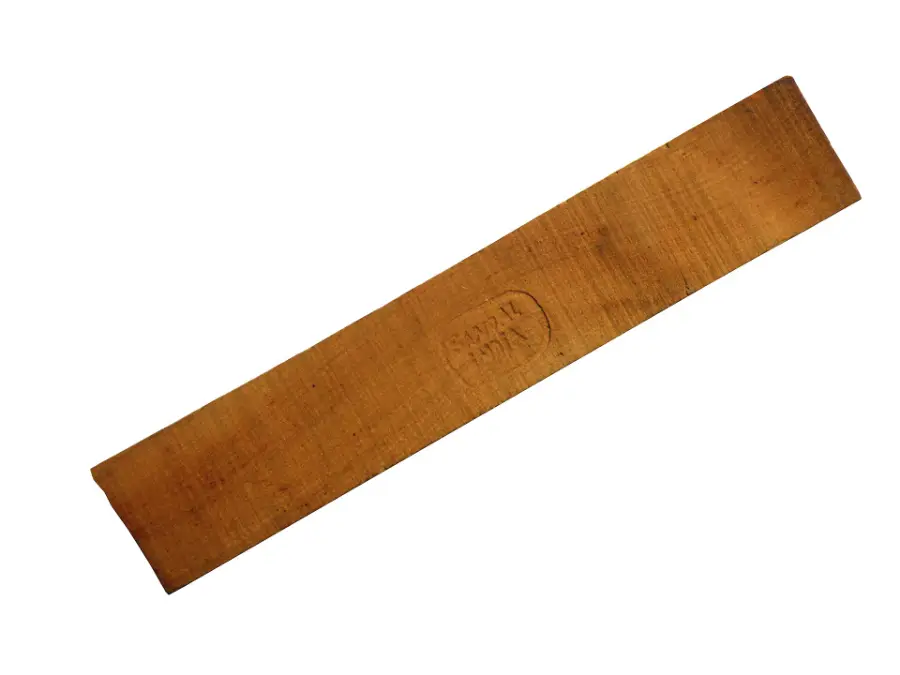
Only the heartwood carries scent, and a sandal tree lays down nothing worth having for fifteen years or more. The wood is ground to a coarse powder and steam-distilled slowly — far longer than any flower needs. Sandal is also the reason every other attar on this page exists: it is the base oil all the flowers are distilled into.
From
Sandalwood heartwood
Distilled
Slowly, from ground wood
Base
Itself — this is the base oil
Creamy, warm, almost milky, and the longest-lasting thing here — one dab in the morning is still on you at night. It sits closer to the skin than anything else we sell, and it is what people mean when they say an attar smells expensive.
Wear itDaily wear, prayer, and under any other attar you want to slow down.
A blend rather than a single distillation: dry cedar and vetiver root over a sandal base. Vetiver — khus — is the odd one of the three, because its scent is in the roots and not the plant. The harvest is a dig, done in winter, after which the roots are washed, dried and distilled.
From
Cedar, vetiver root, sandalwood
Vetiver
Dug in winter, not picked
Base
Sandalwood oil
Dry and unsweetened — closer to a carpenter’s workshop than a garden. This is the one for anyone who finds every floral too soft, and the easiest attar here for somebody who has only ever worn a Western spray.
Wear itWork, winter, and anyone buying their first attar for a man.
Compounds and aged blends — the most complicated things Kannauj makes, and the most expensive.
Samama Attar
The compound attar of Kannauj
The hardest attar Kannauj makes and the one its perfumers are proudest of. Dozens of herbs, spices, roots and woods go into the deg in a fixed order over weeks, each distilled into the same slowly growing base — and then the whole thing is put away to age. No two houses make it quite the same way, and most keep their order of ingredients to themselves.
From
Dozens of herbs, spices, roots, woods
Made
Over weeks, then aged
Base
Sandalwood oil
It changes on the skin for hours and never smells quite the same on two people, because it has enough moving parts to react to whoever is wearing it. If you already know fragrance, this is the one to try.
Wear itWeddings, winters, and occasions that deserve something worked at.
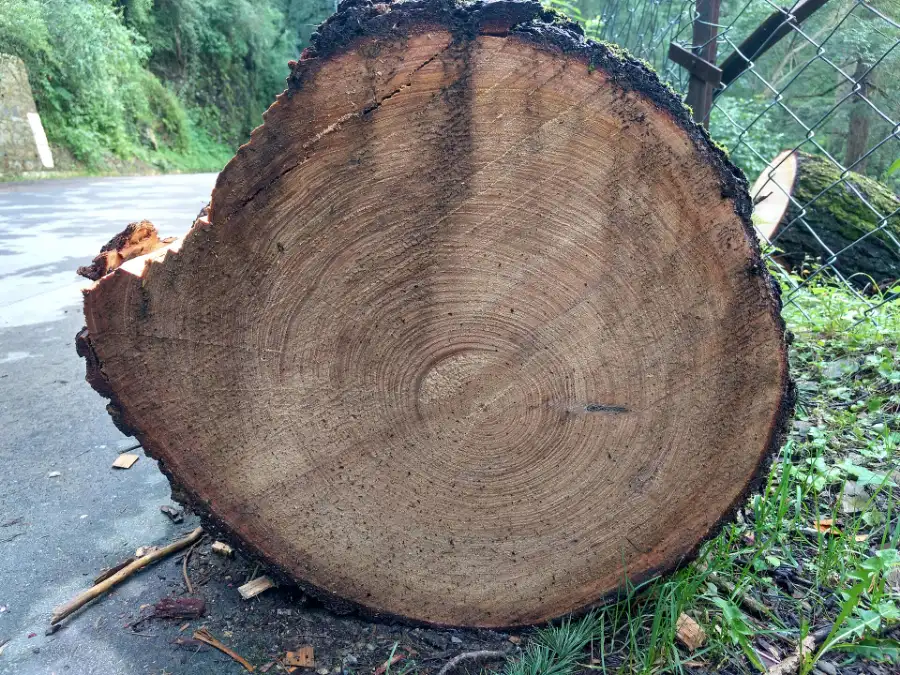
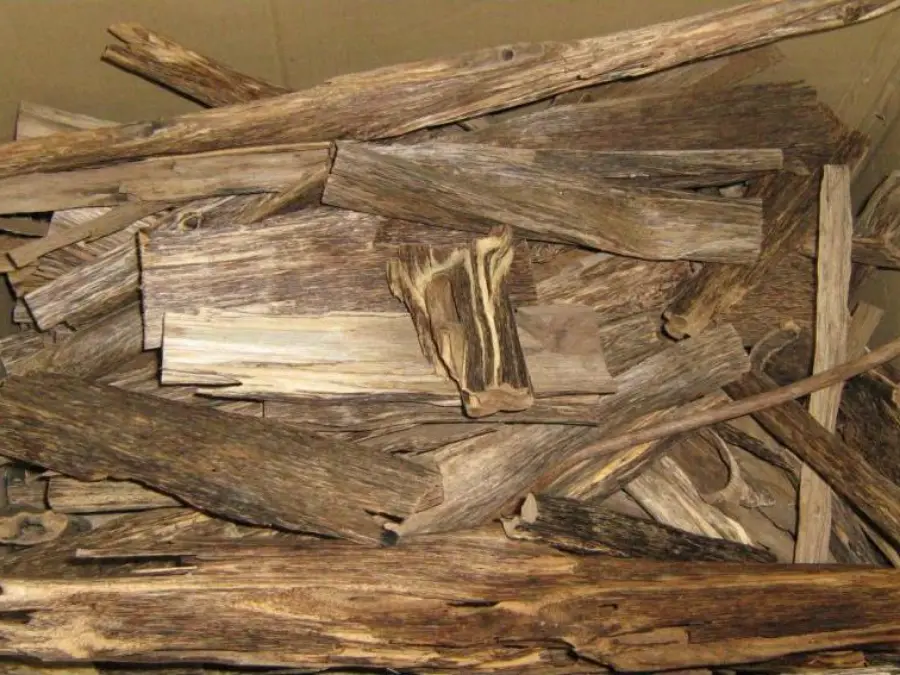
Agarwood is not something a tree grows on purpose. When an Aquilaria is wounded and a particular mould takes hold, the tree floods the injury with resin — and that resin-soaked heartwood is oud. Healthy Aquilaria wood has no scent at all. White oud is the pale end of the material: the clean, soft, slightly sweet side of agarwood rather than the dark, smoky, medicinal one.
From
Resin-formed agarwood
Formed
Only in a wounded tree
Base
Sandalwood oil
Oud without the smoke, and without the barnyard note that makes dark oud so hard to wear in an office. It is the sensible first oud — recognisably the real thing, but wearable on a Tuesday.
Wear itWork, evenings, and anyone curious about oud who has been put off by a dark one.
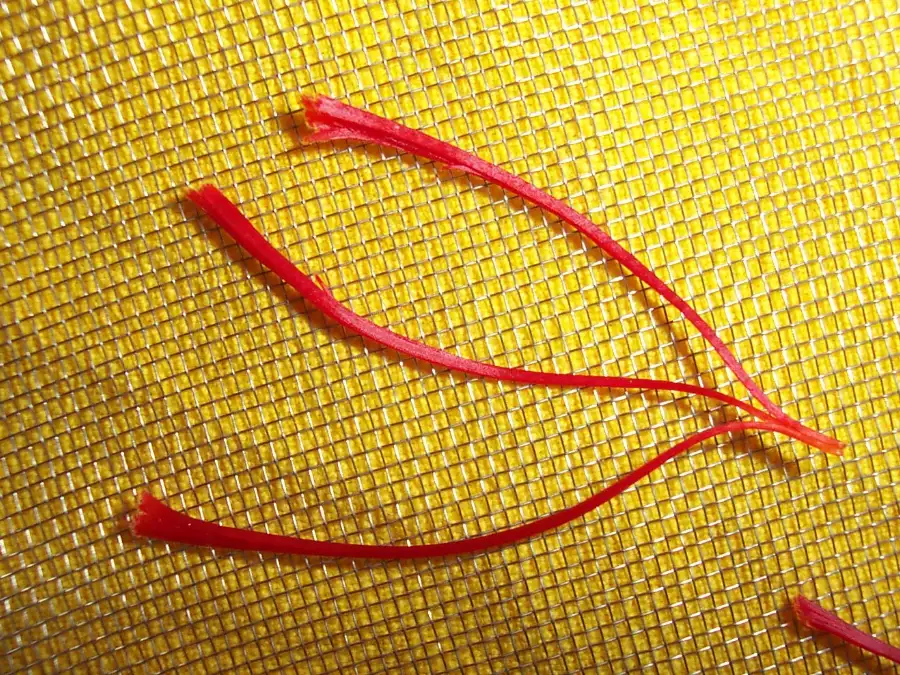
A house blend rather than a single distillation — rose and saffron warmed with amber over a sandal base. Saffron is the reason a blend like this costs what it does: three stigmas are pulled by hand from each crocus flower, and it takes something close to a hundred and fifty thousand flowers to make a kilogram.
From
Rose, saffron, amber, sandalwood
Made
Blended, not distilled whole
Base
Sandalwood oil
Rich enough to feel like an occasion and round enough to suit almost anyone — which is exactly why it is the one people buy when they are shopping for somebody else and cannot ask.
Wear itGifting, festivals, and anywhere you would otherwise be over-thinking it.
Worth saying plainly, because the word carries history: no deer. Real musk came from a gland taken from a musk deer, that trade is banned, and nothing of the kind goes into this. What white musk means today is a clean, soft, skin-warm accord built without any animal in it at all.
From
A built accord — no animal musk
Character
Soft, clean, faintly powdery
Base
Sandalwood oil
Barely a fragrance on its own, and that is the point — it makes you smell like a better version of yourself rather than like a perfume. It is also the layering base: put it under any other attar here and that one lasts longer and lands softer.
Wear itEvery day, offices with a fragrance rule, and under everything else.
Photographs on this page show the source material —
the flower, wood or earth each attar is distilled from — not the
bottle you receive. Picture credits are listed with the sources at the
end of this page.
Questions people ask
Is attar the same as perfume?
No. Perfume is aromatic material carried in alcohol and sprayed; attar
is aromatic oil in a base oil, with no alcohol, and is dabbed. Attar
sits closer to the skin and lasts longer from far less.
Which country did attar originate in?
There is no single country. The distilling technique that makes it
possible was refined in tenth-century Persia by Ibn Sina; named
perfumers appear in Mesopotamia by around 1200 BCE; and India developed
the sandalwood-based attar tradition and the deg-bhapka method that
defines attar as the word is used today.
Why is Kannauj called the perfume capital of India?
Because the flowers, the water, the imperial demand and the distilling
families all came together in one town — and because it never stopped.
Kannauj still distils by deg-bhapka, and holds a Geographical
Indication tag for its perfume since 2014.
Who discovered rose attar?
Jahangir's own memoir credits Asmat Begum, the mother
of the empress Nur Jahan. The popular version that credits Nur Jahan
herself spread later through European accounts.
What is mitti attar?
An attar distilled from baked clay rather than a flower. It smells of
the first rain on dry earth — petrichor — and is a Kannauj speciality.
Does attar expire?
A good sandalwood-based attar does not spoil quickly; many are held to
improve for years. Paraffin-based attars are a different matter and
should not be expected to keep the same way.
Picture credits
The source photographs above are used under their own licences. Each links
to its page on Wikimedia Commons, where the full licence terms live.
Festival boxes get passed along. An attar from Kannauj does not — it
is personal, it is used, and it is remembered every time it is worn.
Diwali, Eid, Holi, a foundation day or a conference: we make gift sets
for companies from the same attars we sell one bottle at a time.
🏺 Distilled in Kannauj🌿 Alcohol-free🧾 GST invoice📦 Delivered across India
Why attar, and not the usual box
Three reasons that matter when the list is 200 people long and you do not know most of them.
Everyone on your list can use it
Attar is alcohol-free by definition — it is the oil itself. That
takes the guesswork out of a mixed list where a bottle of spirits
or a perfume with alcohol would sit unopened on someone's shelf.
It does not expire in a cupboard
Sweets are gone in a week and dry fruit turns. An attar oil keeps
for years, so a gift given at one festival is still being worn by the next.
Small to ship, serious to receive
A 3ml or 6ml bottle weighs almost nothing, so sending two hundred
of them across India costs a fraction of what a hamper costs —
while feeling considerably less like a hamper.
Not only Diwali
The same set works wherever a company has a list and a
date. These are the ones we are asked for most.
Oct – NovDiwaliThe big one. Orders are usually placed six to eight weeks ahead,
because everyone is placing them at once.
Ramzan & EidEidAttar is worn for Eid and for Friday prayers, and it is
alcohol-free by definition — which is precisely why it is the
traditional choice rather than a perfume.
MarchHoliSent before the colours rather than after. A small, clean gift
lands well against a festival that is anything but.
Any monthCompany occasionsFoundation day, an award night, a conference giveaway, joining
kits for new hires, or a thank-you to clients after a good year.
What a set contains
Two or three attars per box, chosen by you from the
full range, with a handwritten note. Sizes and single-bottle prices
below are live from our catalogue — bulk pricing is quoted against
your quantity.
Size
Wears per bottle
Single-bottle range
Loading…
A two-attar 3ml set is the usual starting point for
employee gifting; 6ml and 12ml are more often chosen for clients and
senior recipients.
Try before you commit
No company should order two hundred of a scent nobody
at the company has smelled. Ask for a sample set with your enquiry —
we will tell you what it costs and how quickly it can reach you, and
you decide after it arrives.
Tell us what you need
Quantity, budget and your date decide most of the
quote. Fill this in and a person — not an autoresponder — will come
back to you.
We use this only to reply to you about this enquiry.
No spirit in it. Nothing to evaporate off your skin.
A spray perfume is mostly alcohol — the scent is dissolved in it, and
when the alcohol goes it takes most of the smell with it. An attar is
the oil itself. Every fragrance on this site is alcohol-free, and not
because something was taken out: there was never any in.
🌿 No alcohol at all🤲 Wearable for namaz & puja⏳ Stays through the day🏺 Distilled in Kannauj
What people ask before they switch
The same answers this page gives Google, word for word.
Start with 1ml before you commit
Nobody can smell an attar through a screen. A 1ml tester
arrives in a plain glass vial — it holds 2ml, so 1ml fills it about
halfway. Smell it properly, then decide.
Wedding & festival gifting
Guests forget the box. They do not forget the scent.
A return gift is opened once and judged in a second. Mithai is finished
in a week, dry fruit gets passed along, and a box with a name on it is
still a box. An attar from Kannauj gets worn — and for your wedding we
can blend one that exists nowhere else.
🏺 Distilled in Kannauj🌿 Alcohol-free💍 Blended for your wedding📦 Reaches you before the date
Why attar, when the list is three hundred people
You know perhaps forty of them. The gift has to work for the other two hundred and sixty.
There is nothing to get wrong
No size, no shade, no sweet somebody cannot eat. Attar is
alcohol-free by definition — it is the oil itself — so it sits
right with every guest at the wedding, including the ones you have
never met.
It is still being worn next year
Mithai is gone in a week. An attar oil keeps for years, and even a
small bottle is months of wearing. The gift outlives the function
by a long way, which is the whole reason to give one.
Three hundred of them fit in two cartons
Light to carry to the venue, easy to hand out at the door, and a
fraction of what three hundred hampers cost to move — while feeling
considerably less like a hamper.
A scent that exists only for your wedding
This is the part nobody can copy off a shelf.
We blend it for you
Two or three of our attars, mixed into one. That blend is not on
our shop page and not on anybody else’s — it was made for this
wedding and for nothing else.
Smell goes straight to memory
Years later a guest opens that bottle and is standing at your
wedding again. That is the one thing a box of sweets cannot do,
and the reason this is worth more than a name printed on a lid.
You approve it before we make it
Nobody should order three hundred of a scent nobody has smelled.
We post you the options first and make nothing until you have
smelled them and chosen.
How it works
Four steps, and the numbers are real — this only works in this order.
1 · Tell us the date and the count
The wedding date decides everything else, so it is the first thing
we ask and the one thing we cannot work around.
2 · We post you samples
Real 1ml testers — each one a plain glass vial that holds 2ml,
filled to 1ml. Smell them at home, unhurried, with whoever is
actually deciding.
3 · You choose
Pick a ready attar, or approve the blend that becomes your
wedding’s own. Only after that does anything get made.
4 · It reaches you before the date
We count backwards from the wedding day, not forwards from the
order day. A gift that arrives the morning after is not a gift.
Before you ask
The answers we would rather you had now than three weeks before the wedding.
We do not print names on the bottles
No printed labels, no logo on the lid — we would rather say so
than promise it and hand you something thin. What we can make
yours is the scent inside, which is the part that gets remembered
long after a printed name has worn off.
How much time we need
Two weeks for a small count of ready attars. Three to four for a
blend of your own, or for 250 and above — the samples have to
reach you and come back as a decision before anything is mixed.
Smallest sensible order
No hard minimum on ready attars, though below about fifty the
per-piece price stops improving. For a blend of your own, fifty is
the floor — a blend is mixed in one go.
What it costs
Tell us your budget per guest and we will tell you honestly what
is possible at that number and what is not. A quote built on a
figure you never gave is a quote that changes later, and a wedding
is the worst place for a price to move.
Tell us about the wedding
The date, the city and roughly how many — that is enough
for us to come back with something real. A person will reply, not an
autoresponder.
We use this only to reply to you about this wedding.
An Indian attar house, started in 2026. We sell attar — alcohol-free
perfume oil — distilled in Kannauj, and we send it anywhere in India.
🏺 Distilled in Kannauj🌿 No alcohol, ever📅 Since 2026🇮🇳 Ships across India
What an attar is
An attar is the
fragrant oil itself, not a spirit solution. There is no alcohol in it at any
size, so nothing flashes off in the first minute the way it does from a spray.
You wear it a dab at a time — wrists, behind the ears — and it warms on skin
instead of shouting. The last hours are the best ones.
Where it comes from
Kannauj has distilled
perfume for centuries and holds a Geographical Indication tag for its attar. We do
not run a factory. We buy straight from Kannauj distillers who still work the
deg-bhapka method — flowers steamed in a copper still, the vapour caught in
a base oil rather than in water — and we smell every batch before we accept it.
How attar is made, in full →
Who runs it
Venus Perfumery was
founded by Nidhi Singh, born in Kannauj and a science graduate. Growing up in
the town that distils India’s perfume means knowing the difference between a real
attar and a scented oil long before it is a business — and the science is why a batch
is judged on what is actually in it, not on what a supplier says about it.
The shop is run together
with Saurabh Singh Rajawat, a Chemistry Honours graduate of Banaras Hindu
University, with a postgraduate degree in business management from Doon Business
School, Dehradun. Distillation
and testing are chemistry — so the two halves of this shop are the nose and the
method, and an attar has to satisfy both before it goes on the shelf.
What we sell
Each attar comes in
3 ml, 6 ml and 12 ml glass bottles. Two- and three-attar gift sets
are boxed to order, and the same oils go out in bulk from 100 ml upward for
shops and gifting companies.
We can distil any of these. We cannot distil all of them at once — so
rather than guess, we are asking. Pick the three you would actually
buy, and the ones with the most votes get made first.